Introduction: The Importance of Understanding Appliance Noise Levels
In our increasingly noisy world, appliances are often the unsung heroes that keep our daily lives running smoothly. From the gentle hum of a refrigerator to the abrupt clattering of a washing machine, understanding noise levels in appliances is crucial for maintaining functionality and safety. But how do we know when these sounds are normal, and when they signal a problem? In this comprehensive guide, we'll explore various appliance noises, their meanings, and what action you should take if something seems amiss.
Understanding Noise Levels in Appliances and When They Signal a Problem!
When it comes to home appliances, not all sounds are created equal. Some noises signify that your appliance is functioning as it should, while others can indicate potential issues that might require professional attention. This distinction is vital for homeowners looking to extend the life of their appliances without incurring hefty repair costs.
1. The Science Behind Appliance Noises
1.1 What Causes Appliances to Make Noise?
Appliances generate noise due to various mechanical processes. Motors running, components vibrating against one another, and even the flow of air or water can create sounds.
1.2 Normal vs. Abnormal Sounds
While most appliances emit some noise during operation, distinguishing between normal and abnormal sounds is key:
- Normal Sounds: Humming from the refrigerator compressor, gentle bubbling from a dishwasher. Abnormal Sounds: Grinding noises from a washing machine or excessive rattling from an oven.
2. Common Household Appliances and Their Sound Profiles
2.1 Refrigerators: The Silent Workhorses
Refrigerators typically operate quietly but may produce:
- Humming: Normal operation. Popping: Expansion and contraction of materials. Buzzing: A sign that something may be wrong.
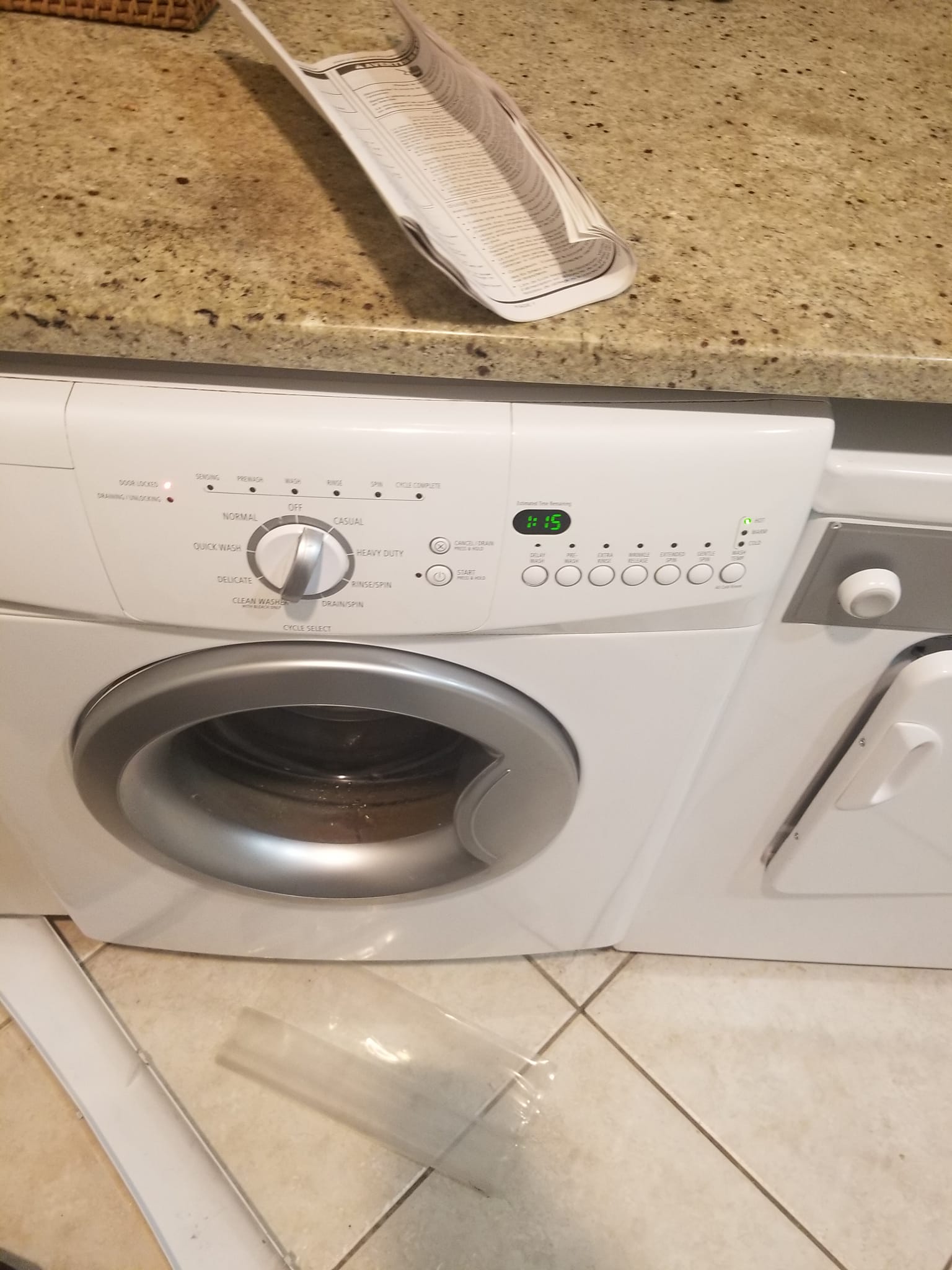
2.2 Washing Machines: The Spin Cycle Symphony
Washing machines can be noisy during cycles:
- Thumping: An unbalanced load. Grinding: Worn-out bearings or foreign objects in the drum.
3. Gas vs Electric Appliances: The Sound Differences
3.1 Gas Appliances
Gas appliances often emit different sounds:
- Clicking: Ignition process. Roaring Flames: Indicates proper function; however, loud roaring may need checking.
3.2 Electric Appliances
Electric units generally produce more steady sounds:

- Whirring: Fans operating normally. Sizzling: Could indicate electrical issues.
4. Specific Noises That Indicate Problems
4.1 Rattling Sounds in Dishwashers
Rattling could mean loose parts or foreign objects obstructing movement.
4.2 High-Pitched Whines in Refrigerators
This noise might suggest an issue with the compressor or fan.
5. When to Call for Appliance Repair Arlington TX?
It's essential to know when it's time to seek professional help:
- If the sound is persistent. Unusual smells accompany the noise. The appliance isn't functioning properly despite usual sounds.
For reliable service in your area, consider reaching out to Greg's Grade A Appliance Repair, renowned for its expertise in appliance repair Arlington TX.

FAQs
1. What does it mean if my washing machine makes a grinding noise?
Grinding noises typically indicate worn-out bearings or foreign objects stuck inside the drum.
2. Why does my refrigerator make a buzzing sound?
A buzzing sound often signifies that the compressor is functioning normally; however, persistent buzzing could indicate an issue.
3. How can I tell if my dishwasher needs repair?
If your dishwasher starts making unusual noises like rattling or high-pitched whining and isn’t cleaning effectively, it’s time to call for help.
4. Is it safe to use an appliance making strange noises?
It depends on the sound; if you hear something concerning like grinding or excessive clanking, it's best to stop using it immediately and consult with professionals like Greg's Grade A Appliance Repair for appliance repair Arlington TX services.
5. Can I fix noisy appliances myself?
Some minor repairs appliance repair Arlington TX can be done at home—like tightening screws—but significant problems should always be handled by professionals to avoid further damage.
6. When should I consider replacing an old appliance instead of repairing it?
If your appliance continually has issues after repairs or its age exceeds 10 years—consider replacement as more cost-effective long-term solution.
Conclusion
Understanding noise levels in appliances and when they signal a problem is essential for every homeowner who wants to maintain their investment wisely. While some sounds are perfectly normal—indicating that everything is functioning as expected—others can spell trouble ahead if ignored too long.
Regular maintenance checks can go a long way towards identifying potential problems before they escalate into costly repairs or replacements down the line! If you’re ever unsure about what's going on with your appliances, don't hesitate to call experts like Greg's Grade A Appliance Repair. Their experience with appliance repair Arlington TX ensures you’ll get top-notch assistance tailored to your needs!
In summary, listening closely—and acting quickly—can protect both your home’s comfort and your wallet! So pay attention to those hums and whirs—they just might save you from future headaches!
Greg's Grade A Appliance Repair
Arlington, Texas
(682) 554-6555
[email protected]
Website: https://greg-gaar.com/